

59 Rivoli: Where Paris Lets Artists Take Over
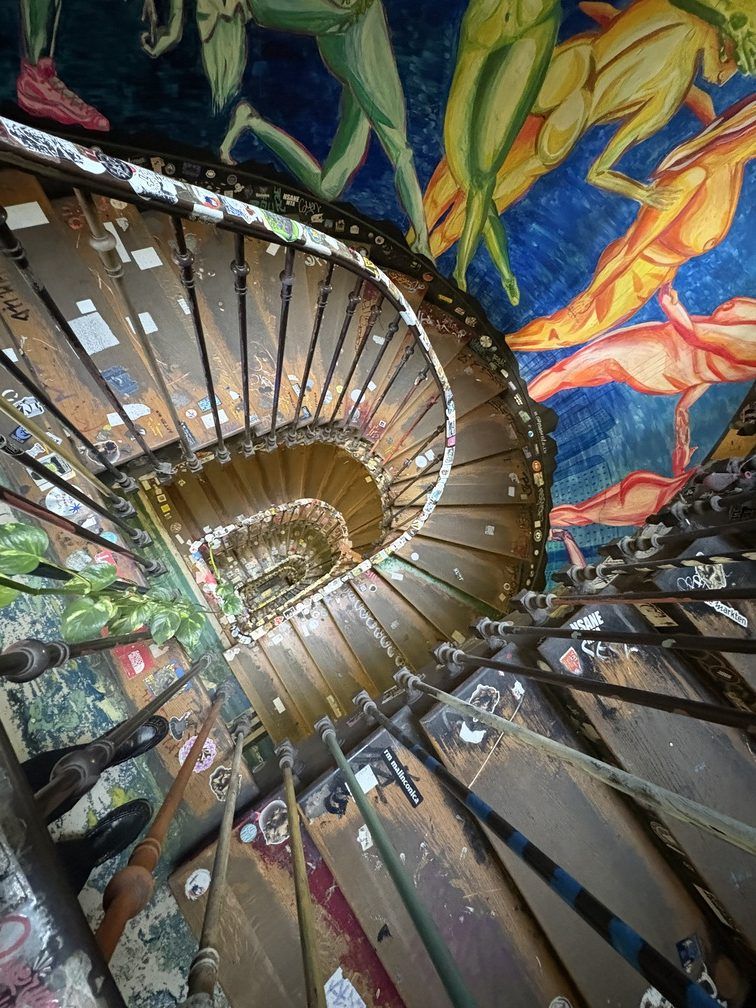
There are museums in Paris where you are expected to whisper. There are galleries where you are expected to understand.
And then there is 59 Rivoli.
On one of the city’s busiest streets, behind the familiar Parisian façade, the building becomes something much less formal: a living collection of artists, studios and ideas.
59 Rivoli began in 1999, when an artistic collective occupied the former bank building in search of a different way to create and show art. The City of Paris acquired the building in 2001, transforming it into an artist residency that remains independently run.
The most interesting thing about the place is that the artists are not hidden. Their studios are part of the experience.
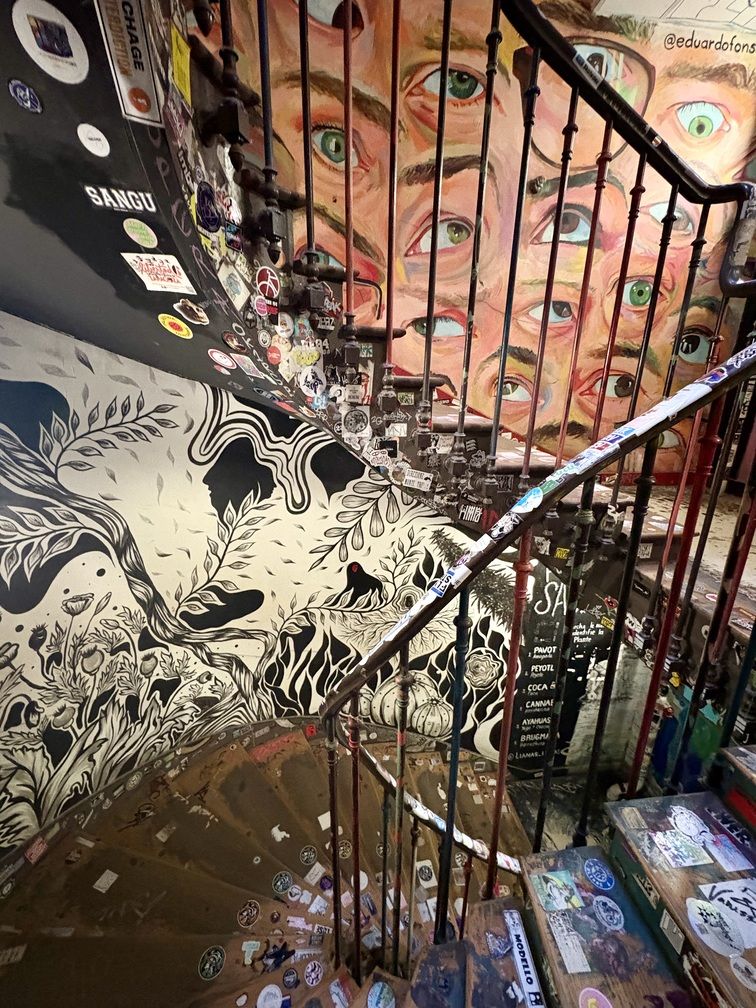
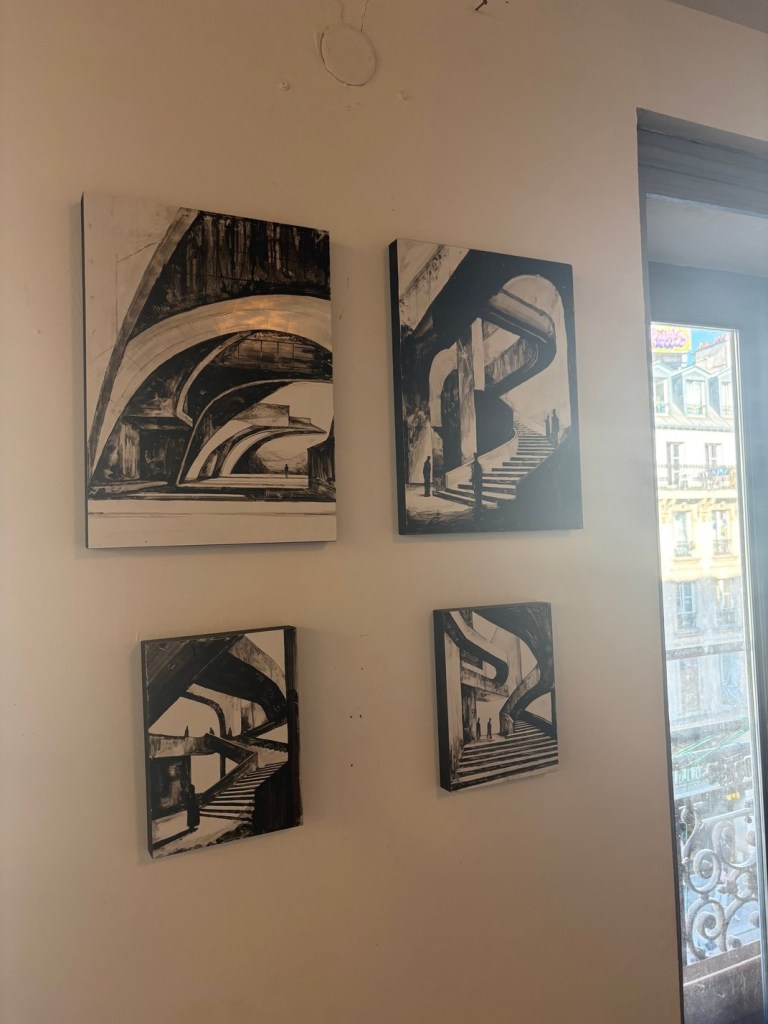

Visitors can walk through the building and encounter painters, sculptors, photographers and other artists working in spaces that still feel like places of production rather than finished museum rooms.
That changes the relationship between visitor and art. You are not simply looking at the result. You are seeing the environment in which something is being made.
There is something very Parisian about that idea. The city has always attracted artists because it allows different creative worlds to exist close together. But contemporary Paris can sometimes feel increasingly polished, commercial and expensive. 59 Rivoli offers a different version.
It is imperfect.
Colourful.
Sometimes chaotic.
And alive.
The building’s public gallery also hosts collective exhibitions, while the studios remain central to its identity.
Perhaps that is why a place like 59 Rivoli matters. Art does not always need marble floors, white walls and a famous name on the door.

Sometimes it needs a room. An artist. An open door. And someone curious enough to walk inside.
59 Rivoli is free to enter, making it one of those rare Paris addresses where culture still feels genuinely accessible rather than curated for a particular audience. In a city overflowing with institutions, that may be its greatest luxury.