

The French Art of Savoir-Faire: Boucheron, Roger Vivier and Maison Michel
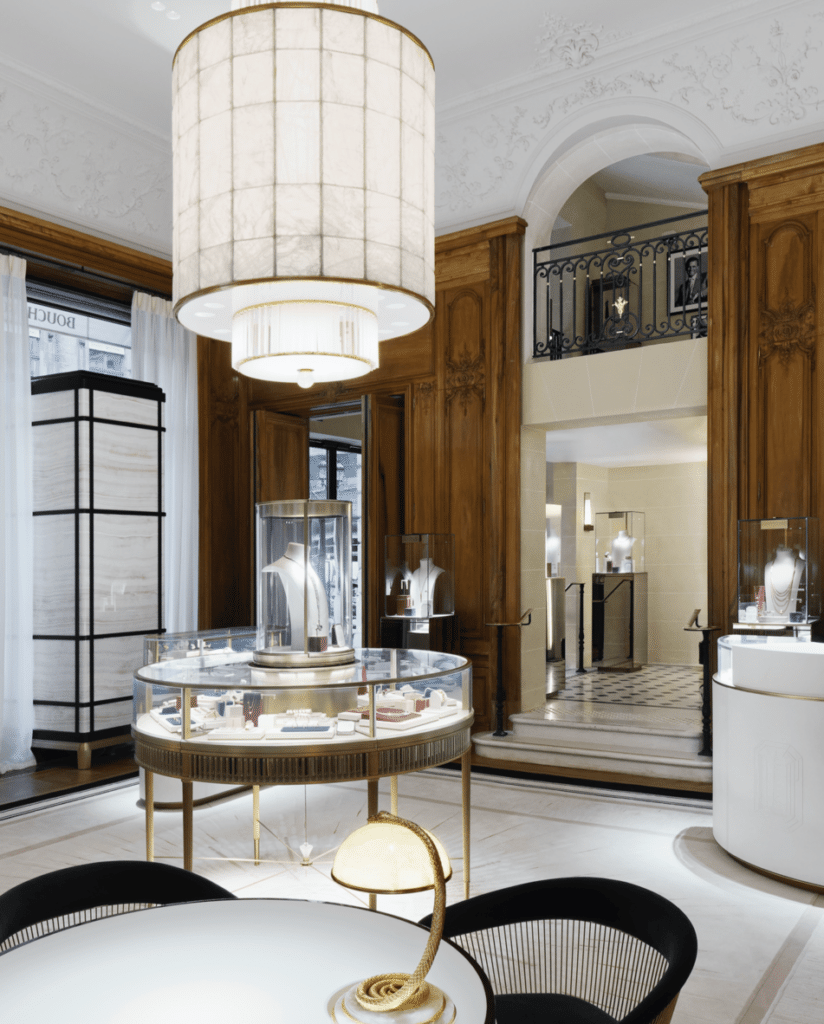
Photo courtesy of Boucheron
Luxury is often described through its finished objects.
The jewel.
The shoe.
The hat.
But the real story begins long before the final image — in the hands of the people who know how to make something that cannot simply be reproduced.
In Paris, that idea remains central to the identity of French luxury.
Boucheron, Roger Vivier and Maison Michel work in very different worlds. One creates high jewellery, another transformed the shoe into an object of fashion and sculpture, while the third has spent generations preserving the specialised art of millinery. Yet all three share the same fundamental language: savoir-faire.
At Boucheron, heritage begins with jewellery techniques passed from one generation of artisans to the next. Since Frédéric Boucheron founded the Maison in 1858, the house has built its identity around experimentation as much as tradition. Precious stones may be centuries old, but the way they are assembled, articulated and worn continues to evolve.
Roger Vivier approached the shoe with a similarly radical eye.
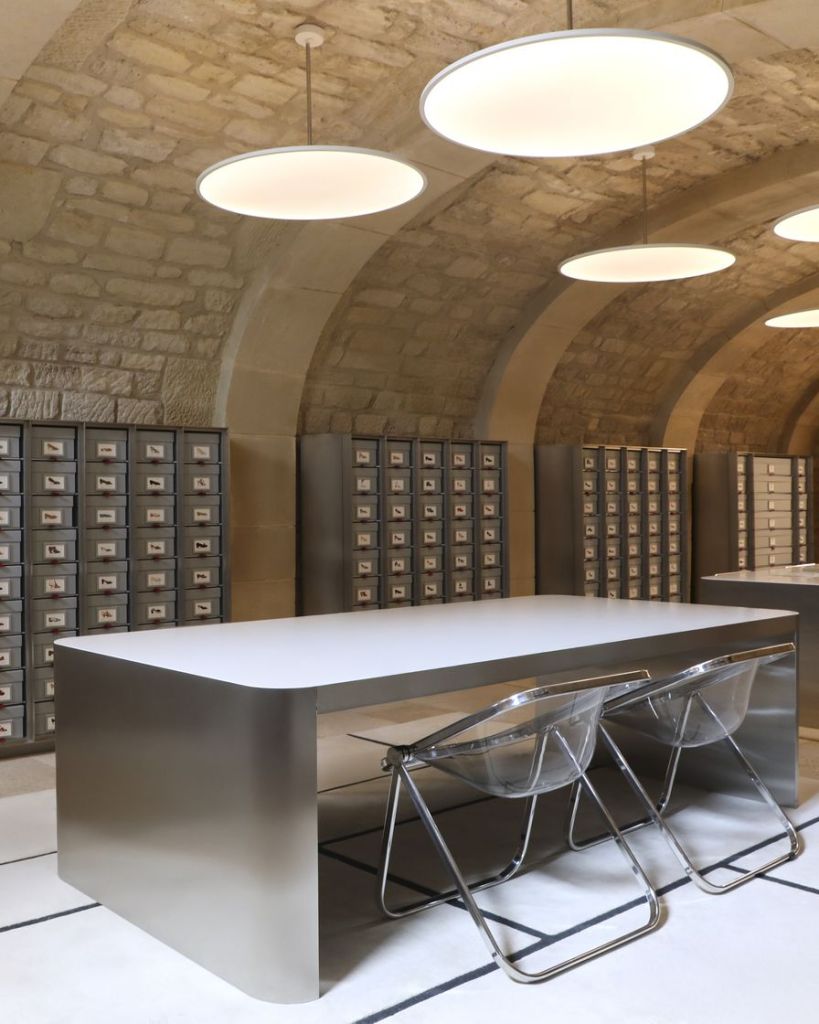
Trained in sculpture, Vivier treated footwear as something closer to architecture than simple utility. His career produced some of the most recognisable forms in twentieth-century footwear, from sculptural heels to the chrome buckle that became a signature.
Today, Maison Vivier’s Parisian headquarters and archives preserve that history while placing it alongside contemporary creation. More than 1,000 objects form part of the archive, tracing the evolution of the house and the extraordinary imagination of its founder.
Then there is Maison Michel.
Founded in 1936, the Parisian milliner has built its reputation around the specialised techniques required to create exceptional hats and headpieces. The process can begin with the formier — the artisan who sculpts the wooden block that determines the shape of the hat — before moving through shaping, steaming, stretching, pleating, braiding, stitching and finishing.
It is a process that makes the final object look deceptively simple, perhaps the most defining characteristic of true craftsmanship. The more accomplished the artisan, the less effort the finished piece appears to reveal.
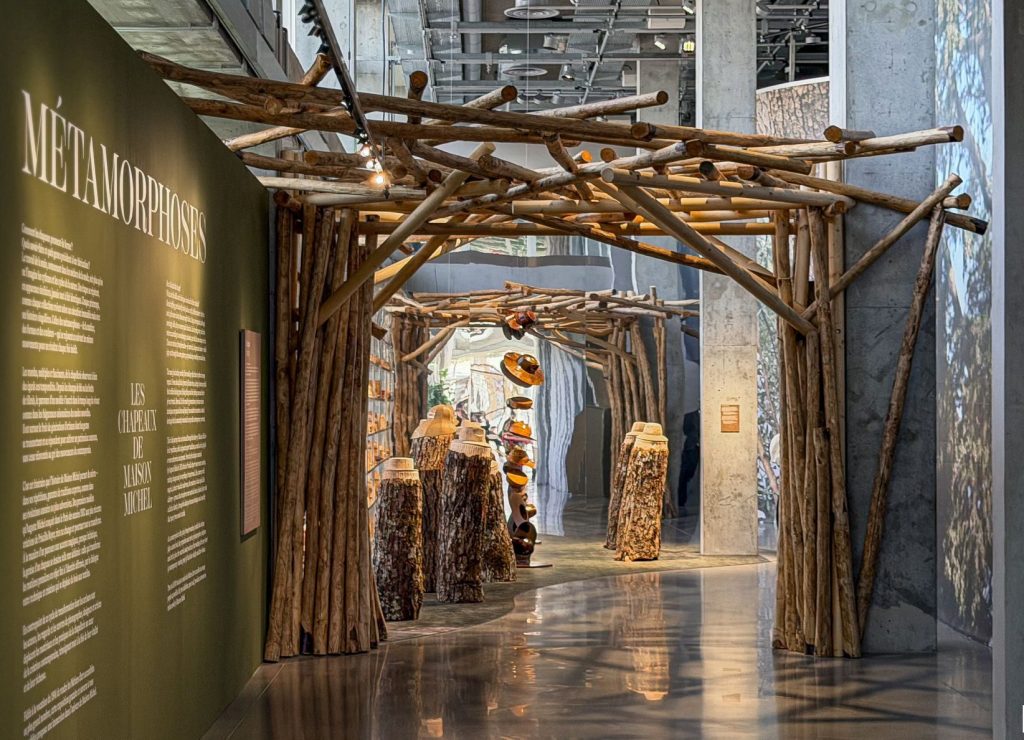
At le19M, Maison Michel’s Métamorphoses exhibition makes that invisible labour visible. Materials, tools and gestures become part of the exhibition itself, allowing visitors to understand how an idea becomes an object.
Seen together, Boucheron, Roger Vivier and Maison Michel reveal three versions of the same French obsession.
The precious object is never only the object. It carries knowledge. It carries time. It carries the memory of hands.
And perhaps that is why savoir-faire remains so important to luxury at a moment when almost everything else can be reproduced instantly. A digital image can imitate a silhouette. A machine can reproduce a shape. A trend can travel around the world in seconds. But expertise is slower. It must be learned, practised and passed on.
That is what these three houses ultimately have in common. They do not simply preserve beautiful things. They preserve the knowledge required to make them.