

Sofia Coppola’s Marie Antoinette Exhibition: Why the Film Still Defines a Certain Kind of Luxury
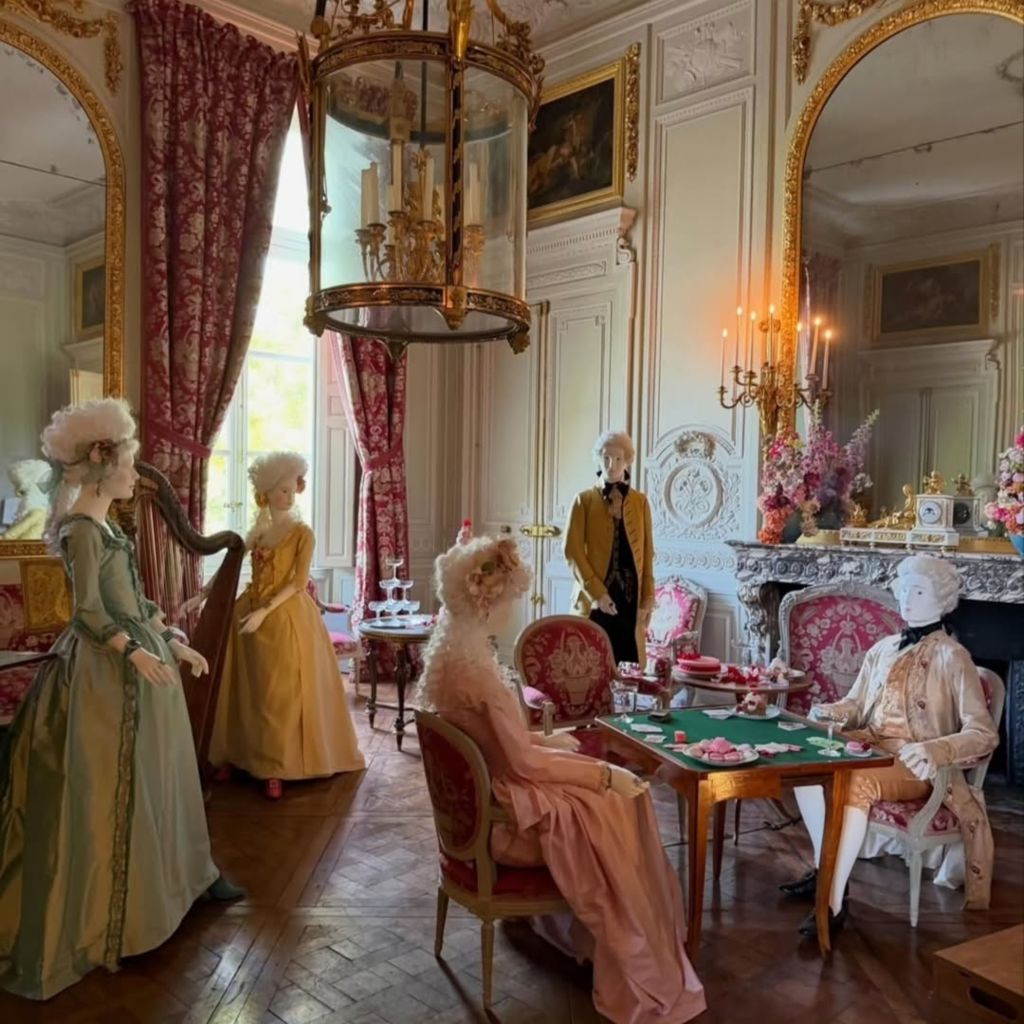
The Sofia Coppola Marie Antoinette exhibition at Versailles revisits a film that made an eighteenth-century queen feel unexpectedly modern. Released in 2006, Marie Antoinette was not a conventional historical drama. It was a world of pastel colours, extravagant shoes, elaborate dresses, music that felt deliberately out of time and a young woman trying to find herself inside a life designed for her.
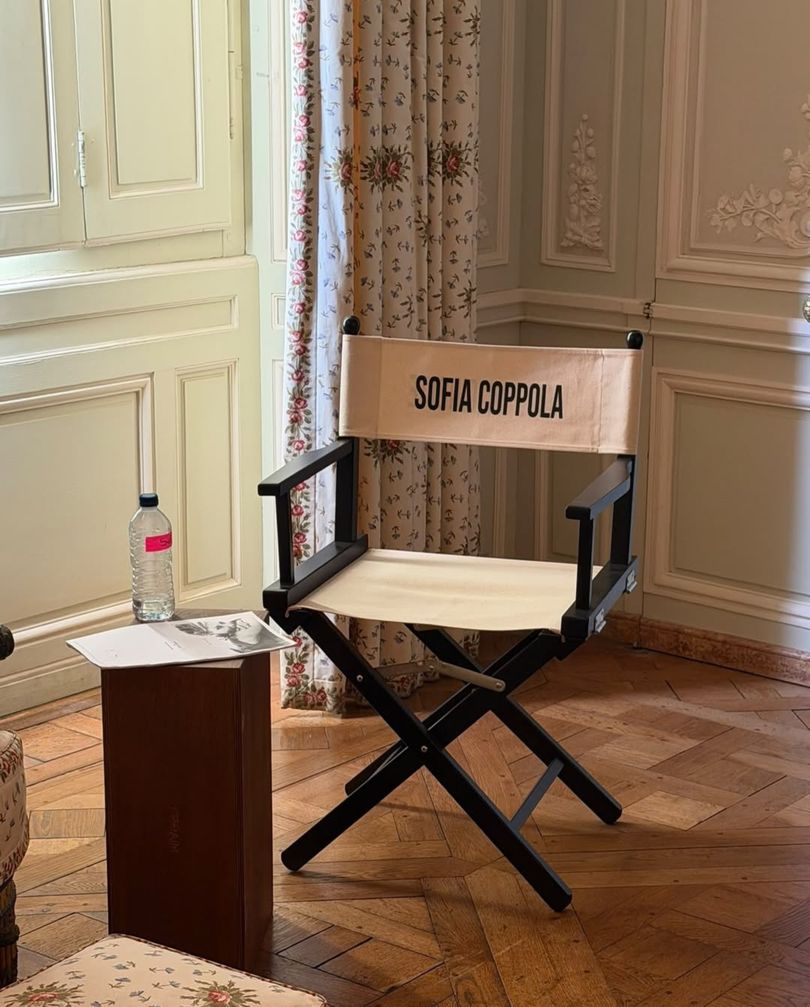
Twenty years later, its visual language still feels familiar in fashion, photography and popular culture. The exhibition at the Petit Trianon, presented in collaboration with Coppola, explores how the film was created — and how its interpretation of the queen became an aesthetic in its own right.

More than beautiful costumes
The exhibition brings visitors behind the scenes through original costumes by Milena Canonero, shoes created by Manolo Blahnik, filming accessories, storyboards, annotated scripts, set photographs and design sketches. Film sequences are also shown in the rooms where they were shot, allowing the historic setting and Coppola’s cinematic version of it to sit side by side.
That is what makes this more interesting than a display of beautiful dresses. You can see how a film’s visual identity is built: through fabric, colour, silhouette, casting, music and the relationship between a character and her surroundings.
The costumes are part of the storytelling. They communicate privilege and restriction, spectacle and loneliness. The palace is magnificent, but the young woman at its centre is not entirely free.
The legacy of Marie Antoinette style
Coppola’s film helped make historical fashion feel less remote. Its playful combination of period dress and contemporary sensibility gave audiences a new way to look at Marie Antoinette — not only as a queen associated with excess, but as a young woman whose image could be interpreted through identity, youth and self-expression. Versailles itself credits the film with renewing perceptions of the queen and inspiring a recognisable “Marie Antoinette style”.
Its influence is not simply about pastel colours or extravagant shoes. It is about creating a complete world so distinctive that people want to enter it, borrow from it and reinterpret it.
That is a powerful lesson in fashion communication: an image can outlive the original story and become a reference point of its own.
Worth your attention?
If you love fashion, costume or the visual language of cinema, this is an opportunity to see the work behind an aesthetic that has lasted well beyond its original release.
“Marie Antoinette” by Sofia Coppola runs at the Petit Trianon, Versailles, from 22 September 2026 to 24 January 2027. The exhibition is accessible with the relevant Versailles Passport or Trianon Estate ticket.